 Login
Login







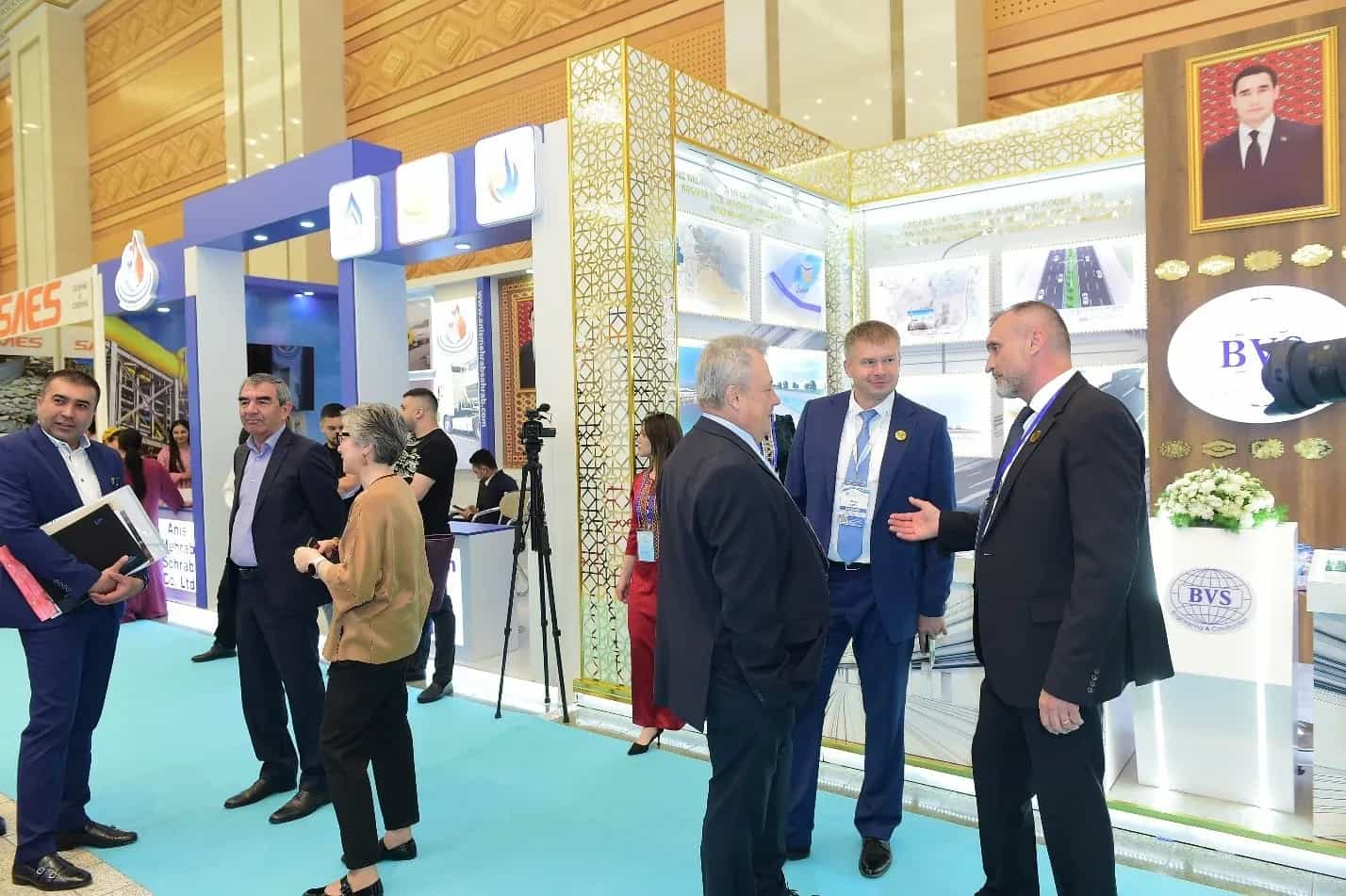
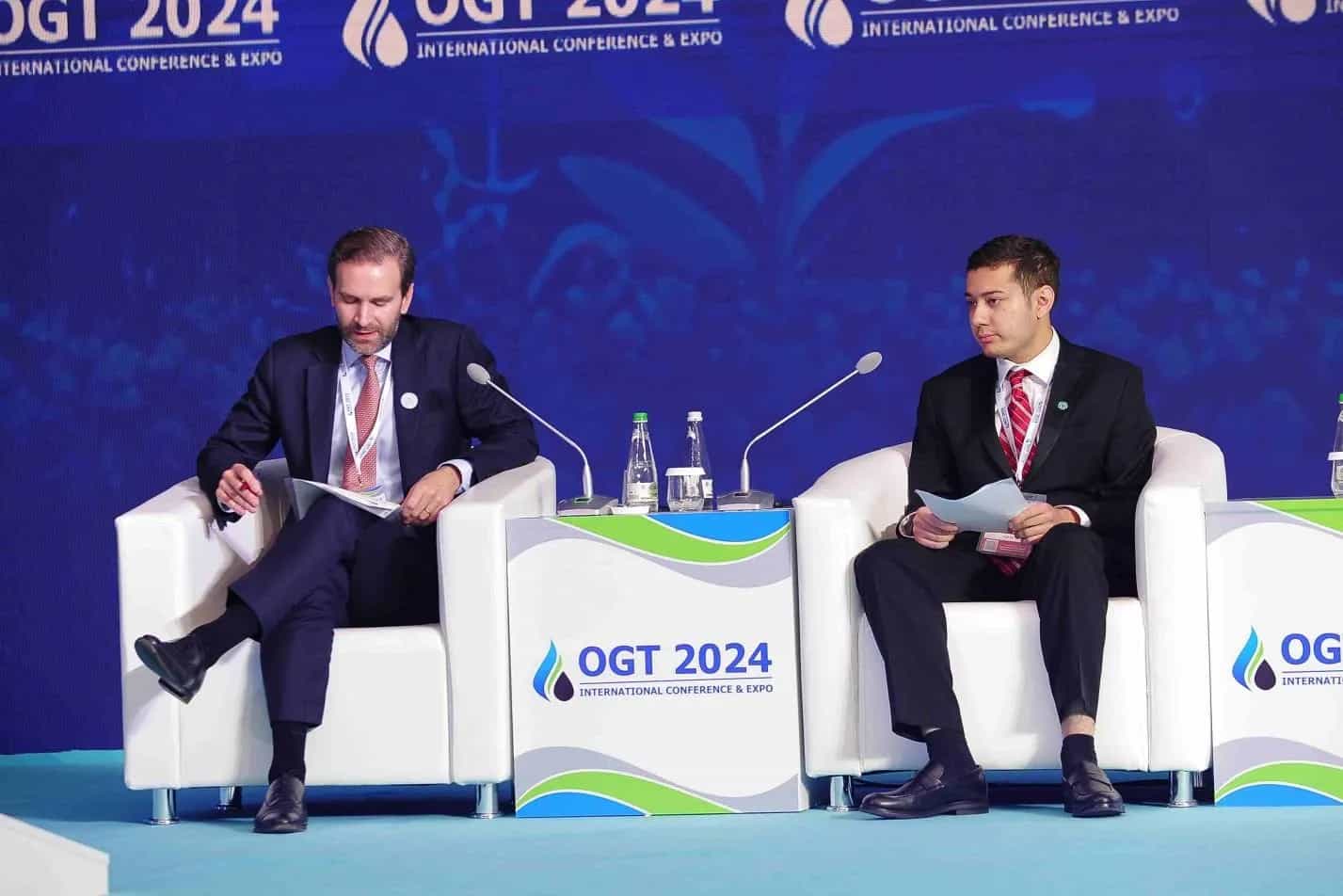

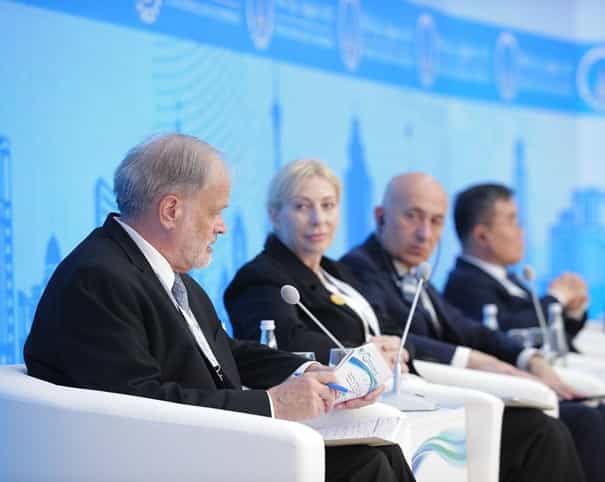







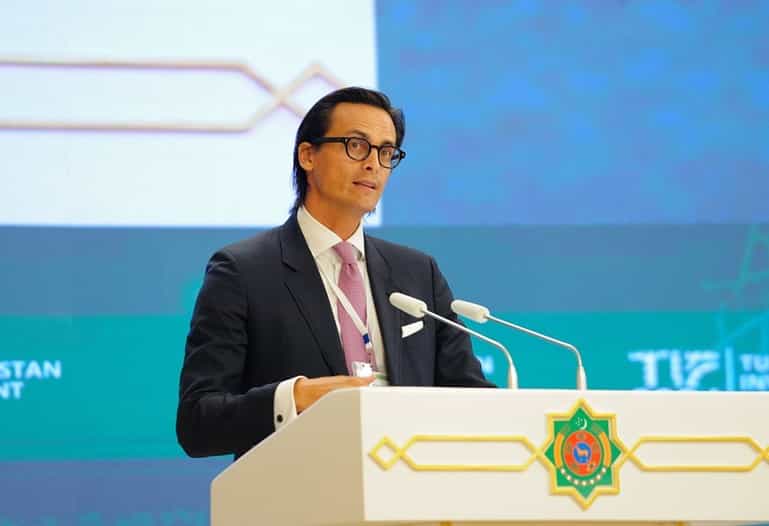










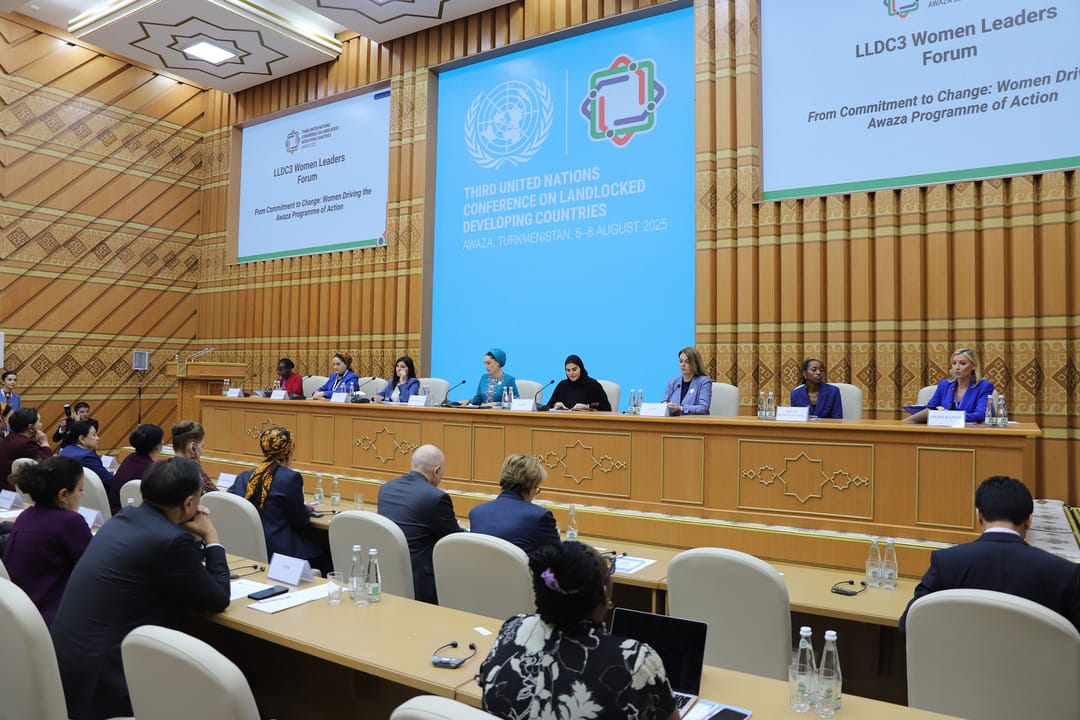
The UN Under-Secretary-General, Deputy Administrator of the United Nations Development Programme (UNDP) and UNDP Regional Director for Europe and the CIS, Ms. Ivana Zivkovic, visited Turkmenistan from August 4 to 8 to participate in the Third United Nations Conference on Landlocked Countries (LLDC3), held in the "Avaza" National Tourist Zone.

Through its active engagement in high-level dialogues and strategic partnerships, UNDP played a key role in advancing discussions on structural transformation, trade, regional integration and financing for sustainable development during LLDC3 in Avaza.
At the LLDC3 plenary session, Ms. Zivkovic noted:
"The vulnerabilities of landlocked countries are well known. Isolated from world markets and without access to the sea, these countries face significantly higher trade costs than coastal states. However, these countries have great potential. For example, 35% of their population is under 15 years old, representing important human capital that can be a key factor in the transformation of these states from "landlocked" to "land-linked".Within the UN system, the UN Development Programme supports these countries through a network of 32 country offices, helping them implement national development priorities in line with the Sustainable Development Goals."
I. Zivkovic also chaired a UNDP event entitled “Transforming Development Pathways in Landlocked Countries through Trade, Regional Integration and Value Chains,” which served as a platform to explore how increased trade, regional cooperation and integration into global value chains can contribute to sustainable development in landlocked countries.

UNDP also launched a new analytical report, Fostering Economic Diversification for Landlocked Developing Countries, which highlights how smart trade facilitation, green value chains and investments in human capital can enable these countries to turn geographic challenges into opportunities for innovative connectivity and closer regional cooperation.

During LLDC3, Ivana Zivkovic also spoke at the Women Leaders Forum, which was held under the theme “From Commitment to Change: Women Leading the LLDC3 Action Agenda”:
“The Avaza Agenda for Action reminds us that landlocked developing countries can only achieve their goals if women participate fully, equally and meaningfully in every decision-making process. Their leadership is not just a matter of rights; it is essential to transforming economies, expanding connectivity and building resilience to climate change and other shocks,” said Ms. Zivkovic.“In all 170 countries and territories – including landlocked countries – UNDP puts these principles into practice, working closely with governments, development partners and local communities.”
UNDP Regional Director for Europe and the CIS delivered a keynote speech at an event hosted by the Government of Turkmenistan entitled “International Year of Peace and Trust 2025: Building momentum for SDG 16 on Promoting Peaceful and Inclusive Societies for Sustainable Development”. In her speech, she emphasized the importance of building peace, trust and strong institutions as foundations for sustainable development and inclusive growth in landlocked countries.

On the sidelines of LLDC3, I.Zivkovic held a number of meetings with high-ranking representatives of the Government of Turkmenistan, including Deputy Prime Minister, Minister of Foreign Affairs Rashid Meredov, Deputy Prime Ministers Mammethan Chakiyev, Bayramgul Orazdurdyeva and Deputy Minister of Foreign Affairs Ahmet Gurbanov. Discussions focused on developing strategic cooperation in key priority areas – economic diversification, health, climate action, digital transformation and regional connectivity – within the framework of the new Country Programme for 2026-2030.

UNDP invests approximately 1,4 billion USD annually and scales up its support to 32 landlocked developing countries, aligned with global frameworks including the 2030 Agenda, the Paris Agreement and the Sendai Framework.
As a leading development partner, UNDP remains committed to working with landlocked countries, providing support under the Avaza Action Framework, from strengthening governance and regional connectivity to developing sustainable energy and empowering local communities, ensuring that no country is left behind, UNDP said in a press release.